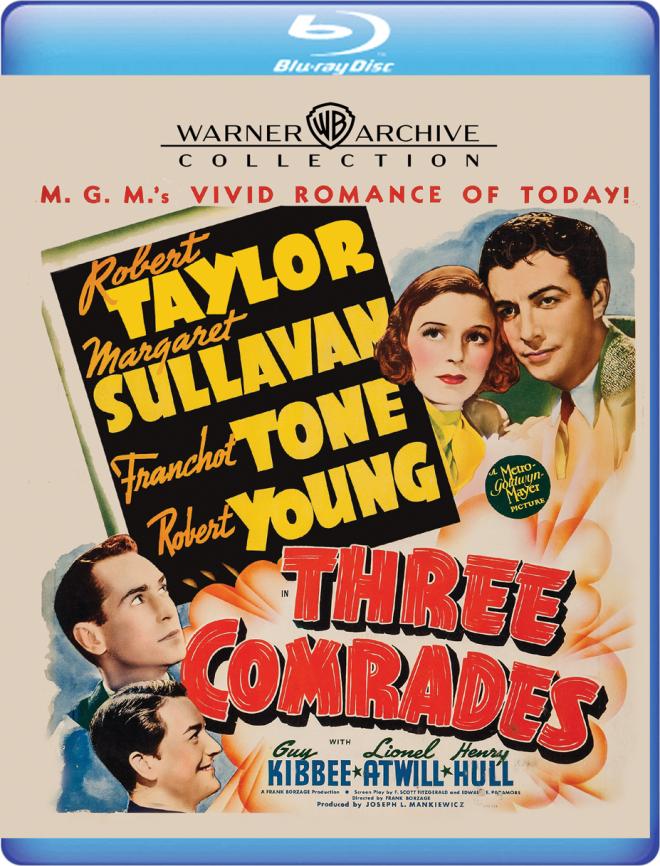
Three Comrades - Warner Archive Collection
A melancholy tale of disaffected youth in post-World War I Germany, Three Comrades chronicles how one woman inspires a trio of male friends during a transitional time. Sensitive direction by Frank Borzage and stellar performances from a top-notch cast elevate this poetic yet often ponderous film that's been given a gorgeous remastering by Warner Archive. Recommended.
Storyline: Our Reviewer's Take
F. Scott Fitzgerald futilely toiled in Hollywood for a few years in the late 1930s. Alcoholic, drowning in debt, and unable to recapture the dizzying success he achieved during the Roaring Twenties, the once heralded author of The Great Gatsby, This Side of Paradise, and The Beautiful and Damned hoped screenwriting would supply the income and security he needed to get his life and career back on track. Sadly, it didn't. Fitzgerald polished several scripts written by others, but received only one screen credit of his own. The single film that bears his name is Three Comrades, an adaptation of a novel by Erich Maria Remarque, best known for his timeless anti-war treatise All Quiet on the Western Front.
Fitzgerald's name may appear in the credits, but many of the words the actors speak aren't his. Much to Fitzgerald's chagrin, most of his dialogue was rewritten by Edward Paramore (who also receives on-screen credit) and producer Joseph L. Mankiewicz, reportedly after actress Margaret Sullavan complained it was impossible to recite. Mankiewicz would later pen what many regard as the greatest screenplay of all time - All About Eve - but if you're looking for the sophisticated banter, stinging barbs, and acerbic elegance that distinguish that iconic script, you won't find them here. Three Comrades is serious business - some might even call it morose - and the lyrical, verbose screenplay bogs down what should be a pointed and searing look at an aimless generation.

Devastated and disillusioned by World War I and the economic strife that followed it, the German youth drift along in a daze. Three Comrades drifts along, too, punctuated by earnest musings about life, love, and the endless search for meaning and self-worth. It's a very well-made movie, directed with sensitivity and grace by the acclaimed Frank Borzage, and features an array of affecting performances by a top-flight cast led by the luminous Sullavan, whose breathy portrayal and breathtaking beauty dominate the picture. But like the downtrodden characters that populate it, Three Comrades is often inert and seems to wallow in its woe.
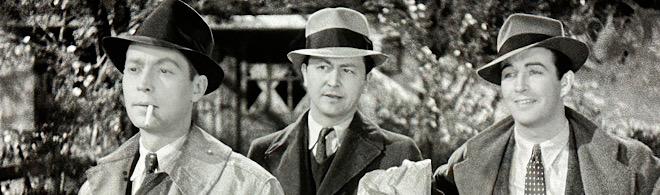
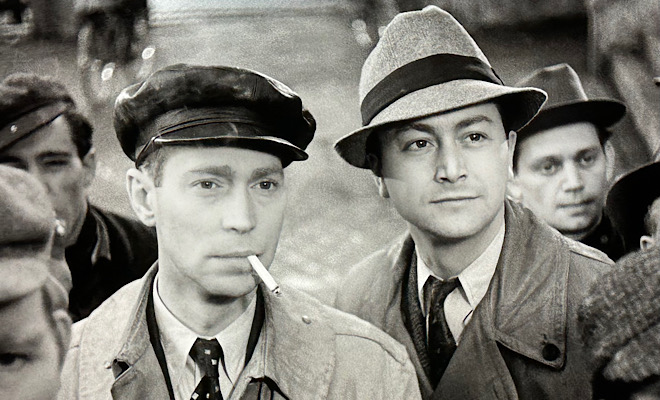
After returning home from the war, three buddies - Erich (Robert Taylor), Otto (Franchot Tone), and Gottfried (Robert Young) - find it difficult to resume their civilian lives in a Germany wracked by poverty, despair, and unrest. A dearth of opportunity forces the men to run a small-time garage that barely allows them to eke out a living. The disgruntled Gottfried joins a group of rebels hoping to engineer social change, while Otto slings cynical arrows and the idealistic Erich dreams of a better life in South America.
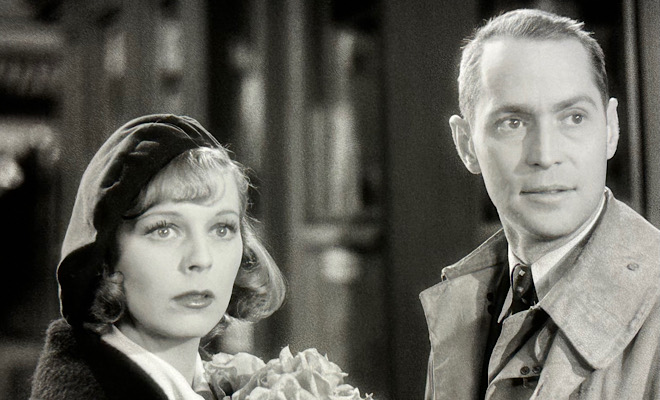
Erich also pines for love and finds it with Patricia (Sullavan), a former socialite who's fallen on hard times, economically and physically. Yet despite her fragility (unbeknownst to Erich, she is battling tuberculosis), her bold spirit shines through, and as the three comrades struggle to make headway and move past their disaffection, Patricia becomes their beacon of hope. All three draw strength and inspiration from her nurturing soul, but is it enough to overcome the harsh realities they must face?
Fitzgerald reportedly decried his screenplay's overhaul by Paramore and Mankiewicz and deemed the movie "awful." His original script (which apparently has been published) supposedly sticks closer to Remarque's novel and addresses such issues as anti-Semitism and the Nazi threat, themes Joseph I. Breen, czar of the Motion Picture Production Code at the time, deemed objectionable. Breen demanded changes and Mankiewicz acquiesced, but the resulting demonstration and riot scenes lack bite because the motivations are cloudy. (A couple of years later, MGM would properly confront and condemn Naziism in another film featuring Sullavan and Young and directed by Borzage, The Mortal Storm.)
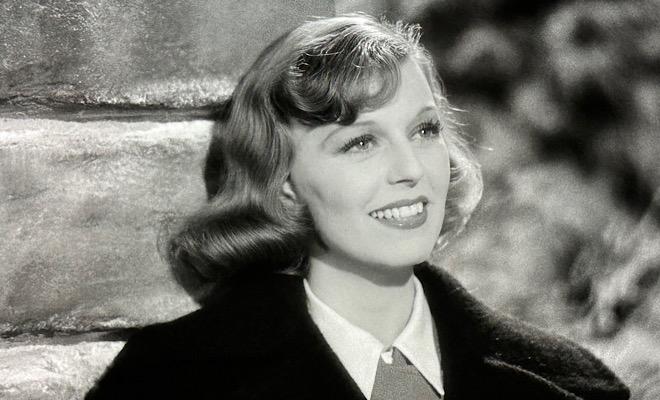
The romance that dominates Three Comrades is strong stuff, even though it heavily echoes a Taylor picture from the previous year, Camille, in which Greta Garbo famously succumbs to tuberculosis in the actor's arms. Sullavan and Taylor make a marvelous pair, but it's Sullavan who truly shines. A magnetic presence, she commands the screen with quiet intensity and a natural, unspoiled beauty, The New York Film Critics Circle and National Board of Review were both so enamored of her tender, heartbreaking performance they named her the year's Best Actress, but Sullavan would lose the Oscar to Bette Davis in Jezebel. Sadly - and strangely - Three Comrades would turn out to be the only film to earn Sullavan an Academy Award nomination.
Borzage, who directed Sullavan in her second feature, 1934's Little Man, What Now, and would guide her and Young through The Shining Hour later in 1938, brings his usual poetic lyricism to Three Comrades. Though pacing occasionally flags and the talky script needlessly elongates several scenes, the film's vivid imagery keeps us engaged, as do the colorful performances. Tone and Young both file endearing, finely etched portrayals, and such recognizable character actors as Guy Kibbee, Lionel Atwill, Monty Woolley, and Charley Grapewin (Uncle Henry in The Wizard of Oz) provide sterling support.

Three Comrades is far better than many other movies of its era (despite what the bitter Fitzgerald thought of it), but with all the talent involved both in front of and behind the camera it's a shame it doesn't wield more power and emotion. It's still worth watching today, mainly for Sullavan's bravura performance, which serves as a reminder - if we needed one - of what a gifted, nuanced actress she once was.
Vital Disc Stats: The Blu-ray
Three Comrades arrives on Blu-ray packaged in a standard case. Video codec is 1080p/AVC MPEG-4 and audio is DTS-HD Master Audio 2.0 mono. Once the disc is inserted into the player, the static menu without music immediately pops up; no previews or promos precede it.
Video Review

A brand new 4K scan of the best surviving preservation elements yields an often breathtaking 1080p/AVC MPEG-4 transfer that showcases the lush cinematography of four-time Oscar-winner Joseph Ruttenberg, who would win his first Academy Award the very same year for The Great Waltz. Faint grain preserves the look of celluloid, while excellent clarity and contrast produce an image that brims with detail and vibrancy. Rich blacks, bright, stable whites, and a wide grayscale enhance depth, while razor sharp close-ups highlight Sullavan's luminous loveliness and the rugged complexions of the three men. No nicks, dirt, or scratches mar the pristine print, and though a few instances of softness creep in here and there, they never detract from what is otherwise a practically perfect presentation.
Audio Review
The DTS-HD Master Audio 2.0 mono track supplies clear, well-modulated sound that's free of any age-related hiss, pops, and crackle. Sonic accents like gunshots, an explosion, the howling wind, and honking car horns are crisp and healthy dynamic range gives Franz Waxman's sumptuous music score plenty of room to breathe. Occasionally, ambient effects in crowd scenes compete with the dialogue, but most of the time all the conversations and impassioned speeches are easy to comprehend. Considering the film's advanced age, this is a stellar audio track.
Special Features
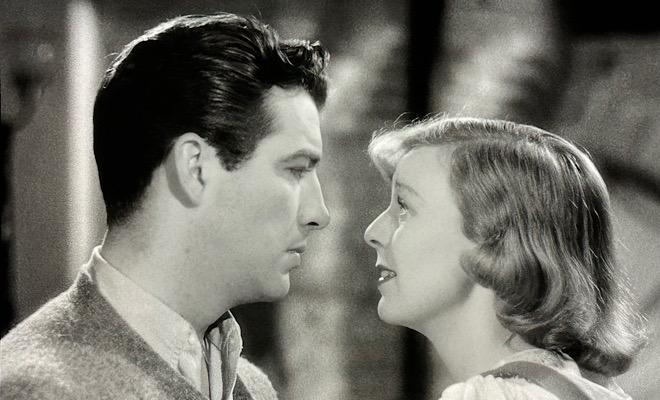
Just a couple of vintage shorts comprise the supplements.
- Vintage Short: The Face Behind the Mask (SD, 11 minutes) - Directed by Jacques Tourneur, who four years later would rise to prominence with Cat People and subsequently helm one of the greatest film noirs of all time, Out of the Past, this intriguing short speculates about the identity of the man who was imprisoned for life by King Louis XIV of France and forced to wear a tight-fitting iron mask.
- Vintage Short: How to Raise a Baby (SD, 3 minutes) - Satirist Robert Benchley stars in this funny one-reeler that tries to teach dads how to care for their newborn kids. Unfortunately, what's included on the disc is only a three-minute excerpt of this 10-minute short. The image cuts off in the middle of a scene and the picture abruptly shifts to black, followed by a return to the supplements menu. Whether this is all that remains of this short or whether it's a disc authoring error is unclear, but usually Warner Archive identifies excerpts when they include them.
- Theatrical Trailer (SD, 3 minutes) - The film's original preview gives away a couple of critical plot points, so be sure you don't watch it until after you see the movie.
Final Thoughts
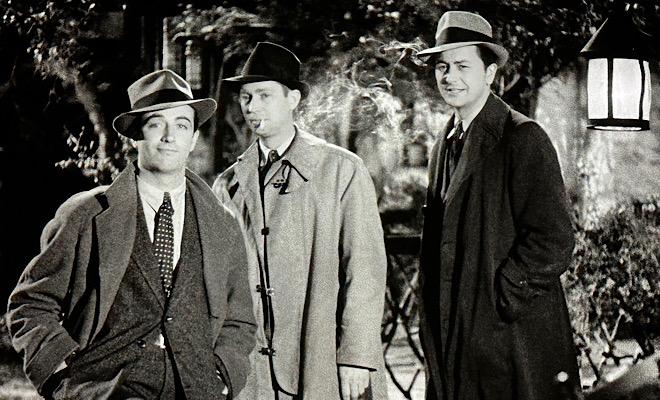
Three Comrades has a lot going for it - lyrical direction, top-notch performances, and beautiful production values - but a talky screenplay dulls the impact of the tragic romance and searing social themes that drive the story. A brand new 4K scan struck from the best surviving preservation elements and remastered audio supply additional luster to this well-made movie that never quite delivers the emotional gut punch we expect. Recommended.
-
 Grab The Glasses - The Turbine Collector Series Grows with Three More Blu-Ray 3D Discs!By:
 -
 Closing Out 2024 and Welcoming 2025 - HDD's 4K UHD & Blu-ray Shopping Guide, Week of Dec. 31, 2024By:
 -
 Holiday Greetings - HDD's 4K UHD & Blu-ray Shopping Guide, Weeks of Dec. 17 & Dec. 24, 2024By:
 -
 Santa Comes Early This Year! Turbine Delivering 'Bumblebee' 'Transformers: Rise of the Beasts' & 'Sing 2' to 3D Blu-ray on December 19thBy: