George A. Romero's Resident Evil
The films we know and love don’t simply pop out of thin air, and some of the films we wished we had seen never got made at all. For video game and zombie fans in the mid-1990s, George A. Romero’s Resident Evil was the film of legend, the mythical project that would see the king of zombie films return to helm the film adaptation of the video game franchise he helped inspire. But it never happened. This terrific documentary takes a deep dive into the history of Romero's zombies, his influence on the games, and what happened to the would-be dream project. On Blu-ray, this doc comes to life with an excellent transfer, great audio, and a slick assortment of extras. Recommended
Storyline: Our Reviewer's Take
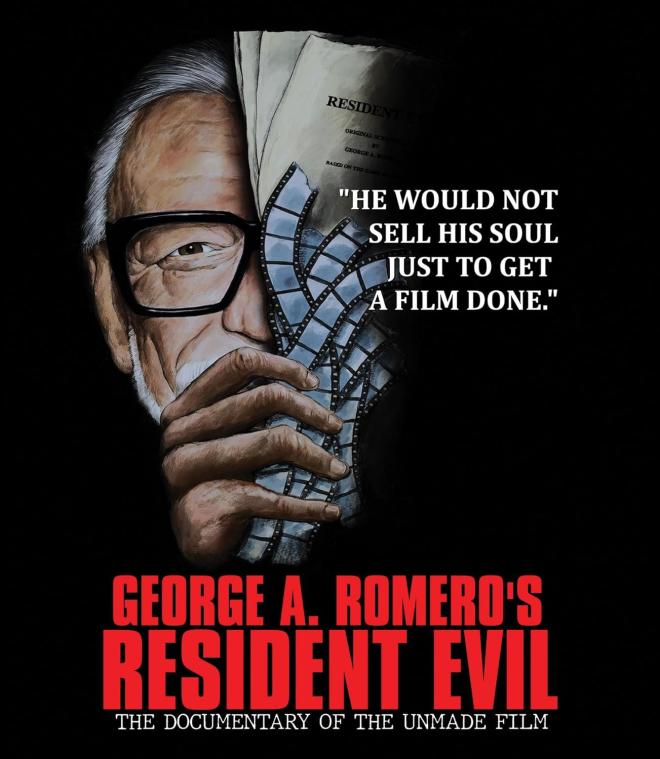
It’s a rough estimate that for every one film that gets made and released each year, there were probably 200 other projects that fell apart or were outright rejected. And of those films that get made, every now and again, the story of how that film got made (or didn't) turns out to be vastly more entertaining. Now, it’s no secret that by the time Paul W.S. Anderson’s Resident Evil finally reached theaters, it was a project that had been stuck in development hell for years. Films based on video games were a new horizon for Hollywood that, outside of Street Fighter and Paul W.S. Anderson’s own Mortal Kombat, hadn’t found much success or were outright disasters (Double Dragon, anyone?). But there was a time when the Resident Evil film could have been something very, very different.
It might be hard for some youngsters to understand, but there was a time before tablets, apps, and wi-fi. When I was a teenager, “The Internet” was this magical thing that you “connected to” through your phone line, and had to listen to a thing called a “modem” scream at you for fifteen seconds before the World Wide Web was ready to be surfed. Where today we can connect anytime and stay connected anywhere for as long as we want, back in the day, you had to have a desktop computer, wait your turn, and hope your parents had bought enough AOL minutes. I mention these quaint antiquities of my youth as context for how the development of the Resident Evil movie came to be and the fervent rumor mill that lived only online.
Because news wasn’t as instantaneous as it is today, to find out more about a production, you had to go through the hoops and loops of message boards to snag even the smallest pieces of information. The idea of a Resident Evil movie wasn’t the big news; the big news was the idea that the Night of the Living Dead director would return to the genre he helped spawn by directing the film adaptation of the video game his work inspired! As one of those fans who fervently checked those boards for any updates, that was an exciting time. But then news updates became sparse, infrequent, and lacking detail. Then all of a sudden, Anderson was announced as the film’s director, it was going into production, and Romero’s version of the project was dead. How did this all happen?
That’s an answer to be found in Brandon Salisbury’s insightful documentary George A. Romero’s Resident Evil. Some films simply linger in production hell for years or longer, or never even get made at all. Or, if the film does get made, it’s a faint version of what was originally conceived. We’ve heard stories about how various Batman and Superman projects came and went without ever rolling cameras, but now we get to find out how Resident Evil, which seemed like a perfect fit for the father of the modern Zombie feature, became something out of his reach.
As this project was the dedicated fascination of my teenage years, this documentary was a nostalgic treat. As I watched, I was amazed at how much of this material had stuck with me. I still remember seeing the crappy-quality pixelated-to-hell version of George’s incredible Resident Evil 2 game commercial. I still remember reading the devastating news that George felt like the project was dead, even though there wasn’t any official word. I remember the hope that his project could still come back to life. So while I knew a lot of the details about this project and how it fell apart, this documentary did an incredible job at filling in some of the blank spot details that I either forgot or missed entirely. What I appreciate is that while the doc is reverential to Romero’s impact on film and horror, especially Zombies, it doesn’t sugarcoat the idea that George might not have been the right guy for the job. Either through his own sentiments for the genre or his lack of understanding of how the game operated, his version was going to be very different, and even then, still maybe not the best Resident Evil adaptation.
This doc can sometimes feel like it’s getting a little lost in the weeds with all of the fine details, but that’s also what production hell can be for any film. If nothing else, this documentary does an incredible job revealing what the creative process for films really looks like - and explains why so many infamous projects fall apart. Nic Cage as Superman. Darren Aronofsky’s Batman. Quentin Tarantino’s Star Trek. George A. Romero’s Resident Evil is but another mythical “what-if” project that we’ll never know how it could have turned out. And while this Doc efficiently lays out what happened with this project, it more importantly serves as a tribute to Romero and his legacy.
Vital Disc Stats: The Blu-ray
Rising from the grave, George A. Romero’s Resident Evil unearths a two-disc Blu-ray release from Dark Star Pictures and OCN Distribution. The main documentary sits on Disc One and is a Region A BD50 disc. Disc Two is another Region A BD50 disc and that houses the extensive and exhaustive uncut interviews (almost four hours worth). The discs rest in a two-disc clear case; each disc gets its own tray without being stacked on top of the other. If you were fast enough, you could have scored exclusive slipcover art through Vinegar Syndrome, but that slipcover edition sold fast as greased lightning. Each disc loads to an animated main menu with basic navigation options, complete with music that feels right out of the original Resident Video games.
Video Review
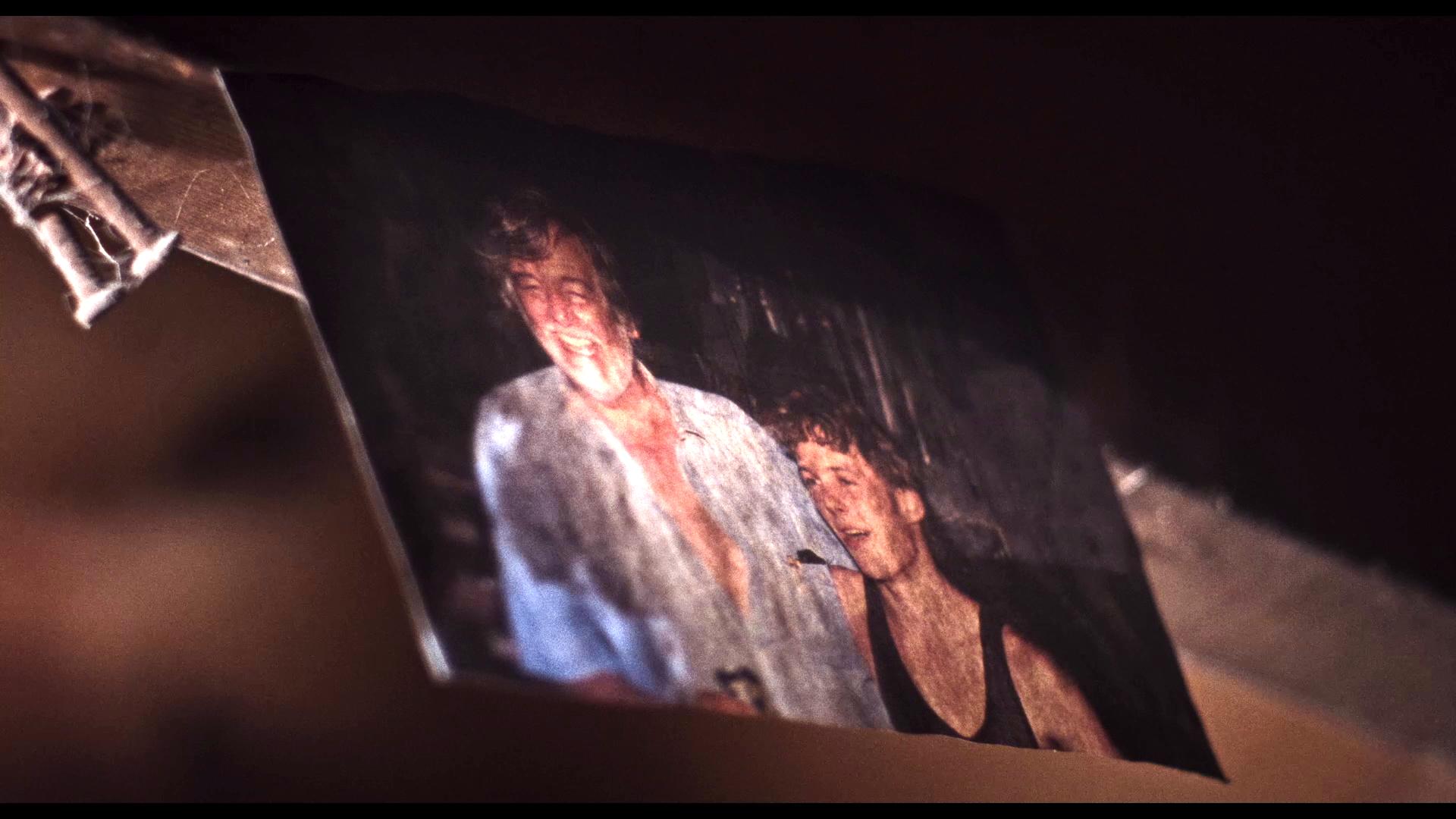
As far as the video transfer for this documentary goes, it’s what I’d affectionately call par for the course. It’s a mixed media documentary pulling archival footage shot on rough film stock or on videotape, intermixed with brand new HD-shot interviews and interstitials. Because there’s a variety to the materials, the overall quality of the image can shift bit by bit. However, I have to tip my hat to them for having great quality footage of Romero’s Resident Evil 2 game advertisement. I remember seeing that on my family computer in absolutely crap quality, in a little 1-inch-by-3-inch video player box in QuickTime. So while there may be a shift in overall quality depending on the source, I have to credit them for using the best materials possible. All around very satisfying.
Audio Review
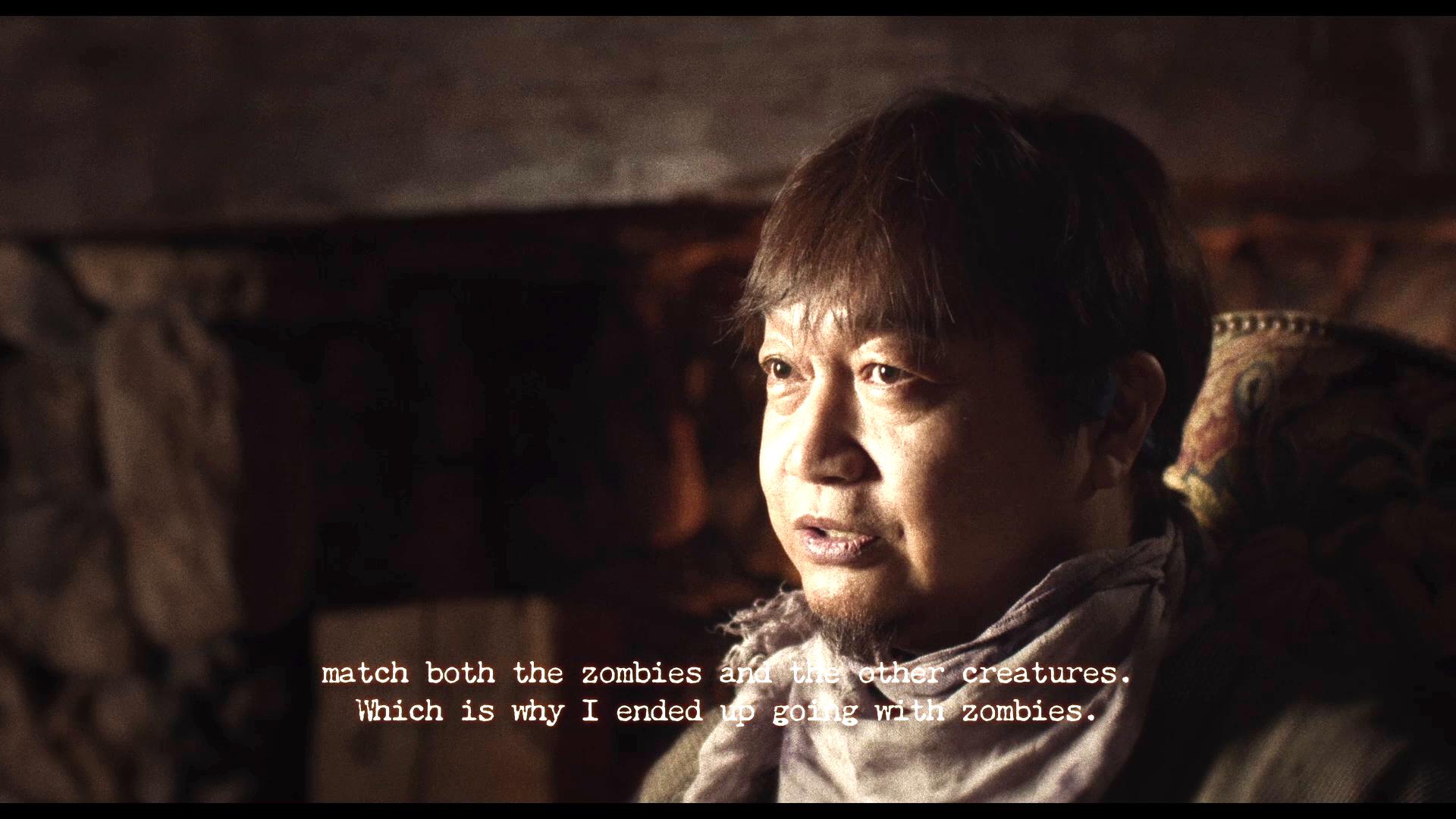
On the audio front, the main doc is treated to an effective DTS-HD MA 5.1 audio mix. Similar to the video, this is a par for the course auditory experience. Where it might not be the most aggressive sonic surround mix, it’s effective and delivers. Music cues are on point, filling the space, and dramatic beats cut in with the clean interview content from the various participants. Surrounds have their place, but the mix itself is suitably focused on ensuring the speaker is cleanly heard, as we’re also seeing some interesting reenactment interstitial moments to spice up the material.
Special Features
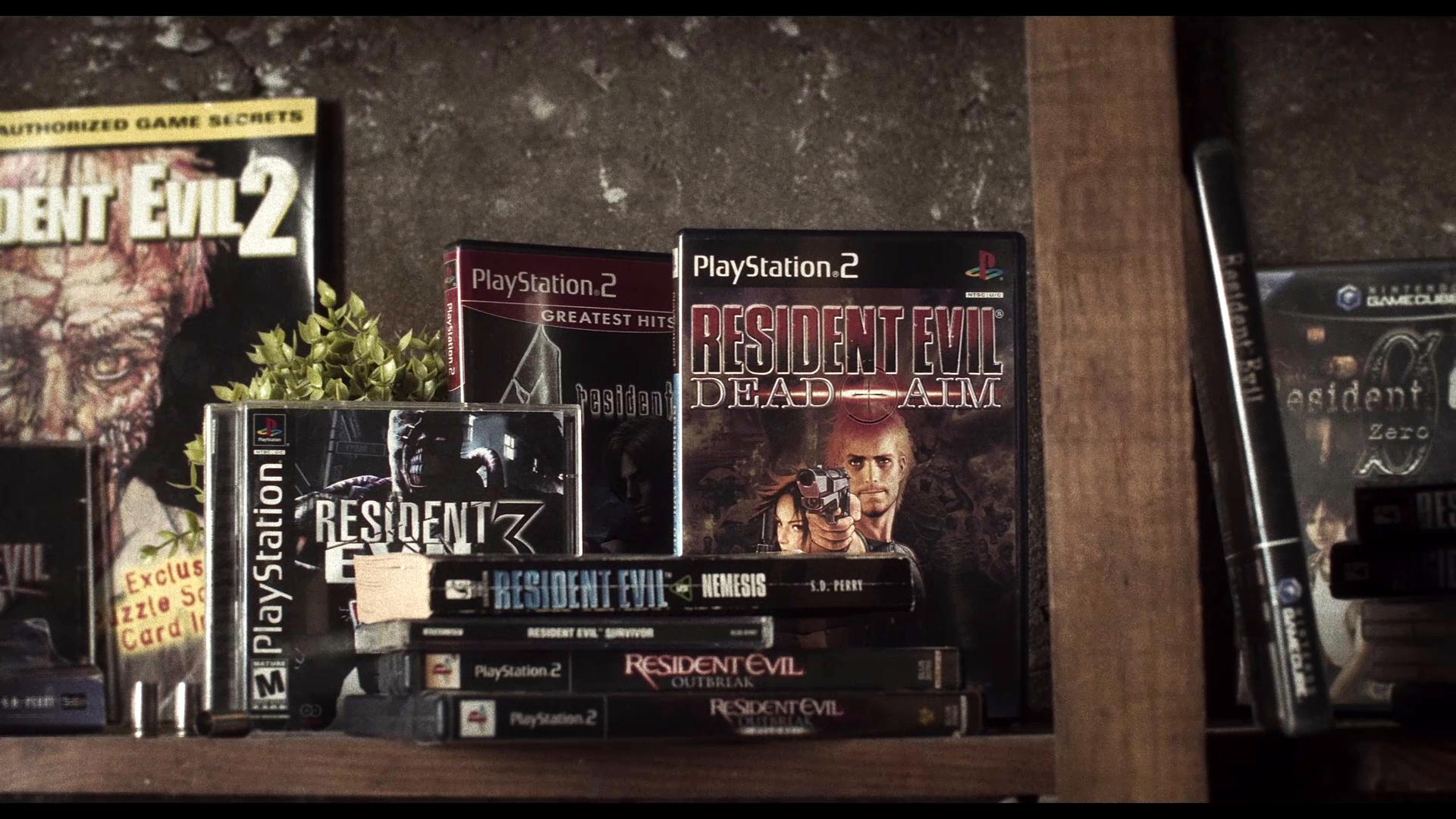
Not leaving anything behind, all credit to Dark Star and the filmmakers for assembling an excellent package of extra features. We get a fine commentary track from the filmmakers, followed by a solid roundtable discussion. But the meat of the bonus features is nearly four hours of uncut interview footage from a variety of participants seen in the documentary. Almost an hour of that is dedicated to Romero Archivist Ben Rubin, and it's fascinating stuff. Some of these pieces do appear in the main documentary, but as you can tell from the rest of the material, there’s only so much you can work into the final edit without cutting things down. So there’s a TON of great info not just about the making of Resident Evil under George’s eye, but all of the other projects he was working on through the years.
Disc One
- Audio Commentary featuring Brandon Alsibury and Tom Robenolt
- Round Table Discussion (HD 1:40:37) featuring Brandon Salisbury, Tom Robenolt, and Matt Blazi
- Trailer
Disc Two
- Extended Interviews (HD 3:41:35 Total)
- Ben Rubin
- Brandon Salisbury
- Jim Krut
- Matt Blazi
- Michael Felsher
- Pat Jankiewicz
- Tom Robenolt
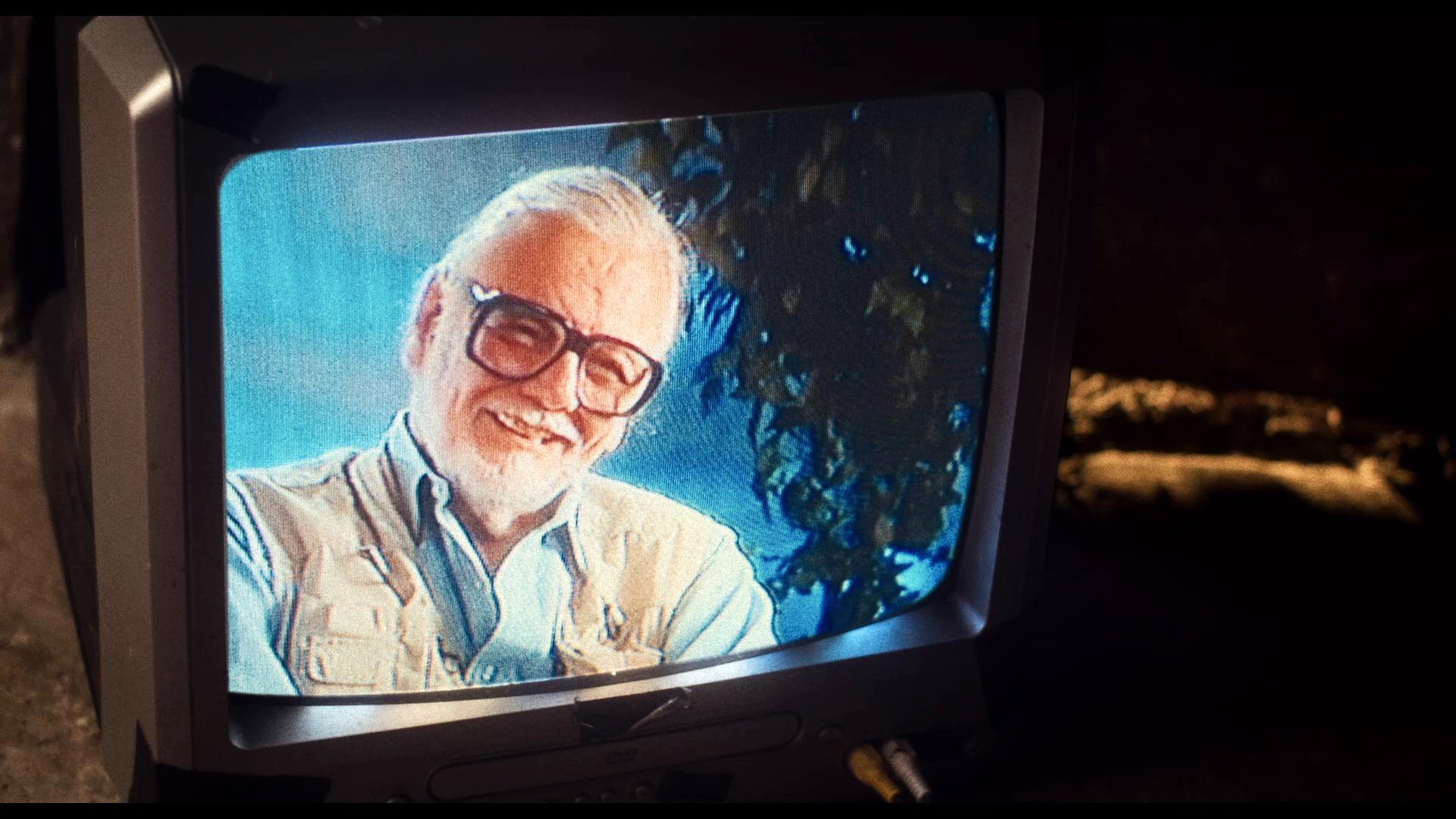
No one said filmmaking is easy. For the number of films that make it to the screen, dozens of others remain in the purgatory of production hell or just never materialize. It’s a business, and some projects need business sense - even if the business doesn’t always make sense. At the time when Video Game films weren’t successful or done all that often, the prospect of a hard-R George Romero-made zombie game movie probably seemed like a big bet for any studio to get behind. That’s where George A. Romero’s Resident Evil shines a lot of light on what went down behind the scenes. How did this project go from nabbing the iconic father of the modern zombie film to firing him and going with the guy who made Event Horizon and the franchise that followed? And as this doc parses through that information with style, it gracefully finds a way to fittingly pay tribute to this master of horror and his legacy. So, on disc, the doc comes to us via Dark Star and OCN Distribution with a strong A/V presentation and loaded with several hours of additional content worth your time after the show’s over. If you love Romero, if you love zombies, hell even if you just love Resident Evil, check this one out. Recommended
-
 Grab The Glasses - The Turbine Collector Series Grows with Three More Blu-Ray 3D Discs!By:
 -
 Closing Out 2024 and Welcoming 2025 - HDD's 4K UHD & Blu-ray Shopping Guide, Week of Dec. 31, 2024By:
 -
 Holiday Greetings - HDD's 4K UHD & Blu-ray Shopping Guide, Weeks of Dec. 17 & Dec. 24, 2024By:
 -
 Santa Comes Early This Year! Turbine Delivering 'Bumblebee' 'Transformers: Rise of the Beasts' & 'Sing 2' to 3D Blu-ray on December 19thBy: