Blu-Ray Releases Details
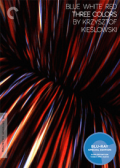
Three Colors Trilogy
Note to viewer
This disc has not yet been reviewed. The following information has been provided by the distributor
Genres:
Romance, Mystery, Music, Comedy, Drama
Starring:
Juliette Binoche, Julie Delpy, Irene Jacob, Jean-Louis Trintignant, Zbigniew Zamachowski
Director:
Krzysztof Kieslowski
Plot Sypnosis:
This boldly cinematic trio of stories about love and loss from Krzysztof Kie?lowski (The Double Life of Véronique) was a defining event of the art-house boom of the 1990s. The films were named for the colors of the French flag and stand for the tenets of the French Revolution—liberty, equality, and fraternity—but this hardly begins to explain their enigmatic beauty and rich humanity. Set in Paris, Warsaw, and Geneva, and ranging from tragedy to comedy, Blue, White, and Red (Kie?lowski’s final film) examine with artistic clarity a group of ambiguously interconnected people experiencing profound personal disruptions. Marked by intoxicating cinematography and stirring performances by such actors as Juliette Binoche (Summer Hours), Julie Delpy (Before Sunset), Irène Jacob (The Double Life of Véronique), and Jean-Louis Trintignant (Z), Kie?lowski’s Three Colors is a benchmark of contemporary cinema.
Release Details
Tech Specs & Release Details
-
 'Ordinary Angels' Announced for Blu-ray Combo Pack on April 30By:
 -
 'Arthur the King' Races to Blu-ray on May 28By:
 -
 Let's Whet Your Appetite/The Statham Sting - HDD's 4K UHD & Blu-ray Shopping Guide, Apr 22, 2024By:
 -
 Neon Conceives The U.S. Blu-ray Release of 'Immaculate' Starring Sydney Sweeney June 11 German 4K Mediabook July 18By: